Few smells are as stubborn as cigarette smoke in a car. You can air the car out for days, hang three air fresheners from the mirror and the smell is still there, hiding under the pine scent. It tends to come back worst on a hot day or when the heater first kicks in.
If you have bought a used car that smells of smoke, or you used to smoke in your own vehicle and want to stop, this guide is for you. We explain why the smell lasts, what really removes it, what only covers it up, and where ozone treatment fits. We also say clearly when it is time to call a professional.
Why smoke smell lasts
Cigarette smoke is not just a smell in the air. It is a mix of tiny particles and sticky residue that settles on every surface in the car. The air smells because those surfaces are slowly releasing what they absorbed.
Here is where it ends up.
- Fabric seats and carpet. Porous materials soak up smoke and hold it deep in the fibres.
- The headliner. Smoke rises, so the ceiling lining collects a lot. It is also hard to clean without damaging.
- Hard surfaces. Dashboards, door panels and windows get a thin, sticky film. You can feel it on the inside of the windshield when you wipe it.
- Vents and ducting. Air moves through the heating and cooling system and carries odour into the cabin each time you turn it on.
- The cabin air filter. It traps particles and then holds the smell.
- Seat belts, floor mats and trunk lining. All fabric items in the car hold some.
Because the residue is spread through so many surfaces, a quick spray or air freshener cannot reach it. To remove the smell you have to remove the source, not hide it.
Clean the source first
The most important rule is this: clean first, treat second. Odour treatments work much better on a car that has been cleaned thoroughly. Here is a method you can follow at home.
Step 1: Take everything out
Remove mats, seat covers, loose items and trash. Empty the ashtray and clean it, or remove it if it comes out. Ashtrays hold stale smoke, so wash them with warm soapy water. Check door pockets, cup holders and the glovebox.
Step 2: Vacuum everything
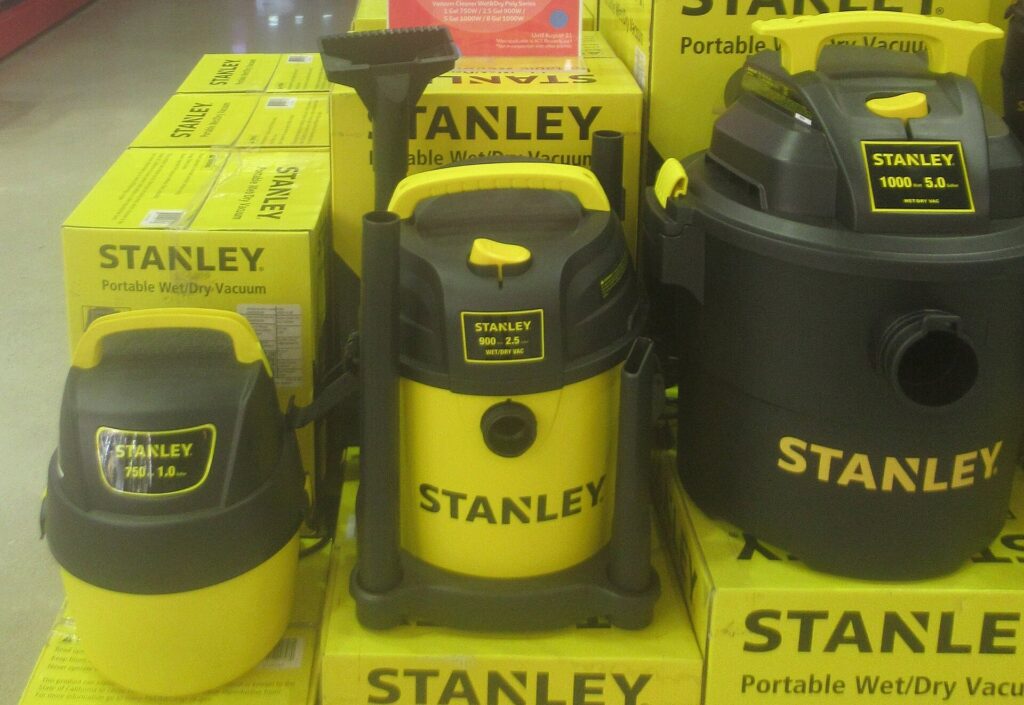
Vacuum seats, carpet, the trunk, and the gaps between seats. Use a crevice tool along seams and under the seats. Ash and debris trapped there keep releasing smell.
Step 3: Wipe the hard surfaces
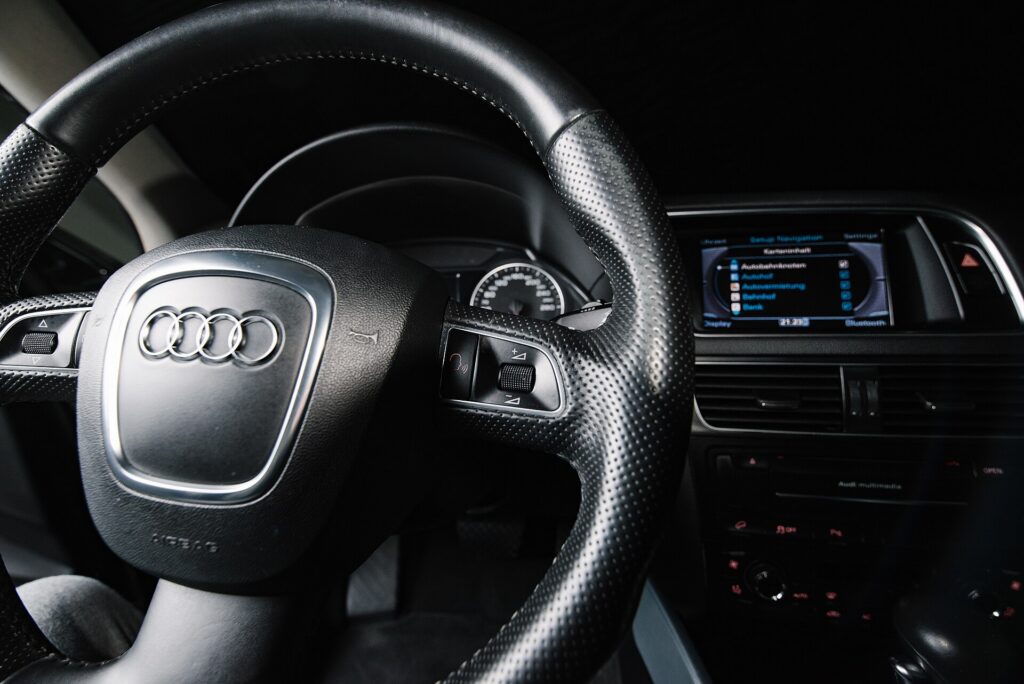
Hard surfaces carry a layer of tar and residue. Use a mild interior cleaner on a microfibre cloth and wipe the dashboard, the doors, the console, the steering wheel and the pillars. Change cloths as they get dirty. Do not forget the windows. Cleaning the inside of the glass often makes a surprising difference, because the film is hard to see until you wipe it.
Step 4: Deal with the fabric
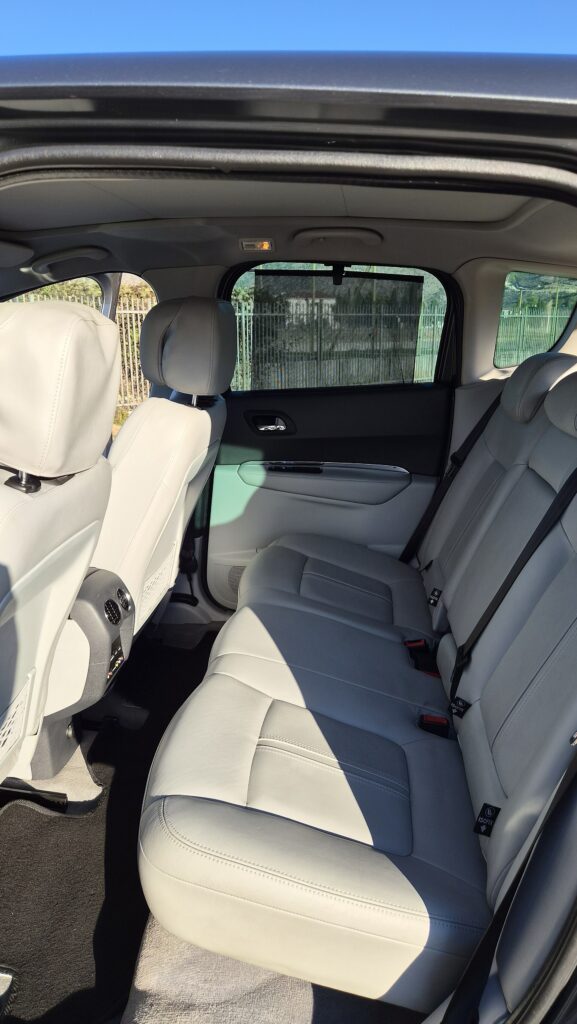
Smoke settles deep into carpet and seats. Vacuuming is not enough. A fabric cleaner and a brush can help on light cases, followed by a damp towel to lift what is loosened. For stronger cases, extraction, which sprays cleaner into the fabric and pulls it back out with suction, does a much better job. A portable extractor can be rented or you can book a service. Our Gold package, at $250, includes shampooing of the carpets, mats and seats.
Let the fabric dry completely afterward, with doors open or the car in the sun if possible. Damp fabric can start a new smell.
Step 5: Wash soft items outside the car
Seat covers, floor mats made of fabric and any blankets should be washed in the machine if the label allows, then dried fully.
Headliner, vents and cabin filter
These are the three spots people forget, and they are often the reason a smell returns.
The headliner
The headliner is the fabric ceiling of the car. It holds smoke well and it is delicate. The foam backing and glue can fail if the fabric gets too wet. So clean it carefully.
- Use a lightly dampened microfibre, not a wet one.
- Dab, do not rub.
- Use a mild fabric cleaner sprayed onto the cloth, not directly on the ceiling.
- Let it dry fully.
A headliner cleaning is included in our Silver package at $160, which is worth knowing if the ceiling is a significant part of the problem.
The vents
Vents carry smell into the cabin whenever the fan runs. You can brush the vent openings with a soft detailing brush and wipe the slats. For deeper cleaning, a vent and duct cleaner designed for cars is available, and a professional can apply one.
The cabin air filter
The cabin air filter sits behind the glovebox or under the hood in most cars. It is designed to catch particles. In a smoker’s car it also holds smell. Replacing it is usually a quick and inexpensive job. Check your owner’s manual for the location and part type. A fresh filter prevents the system from blowing old smoke back at you.
What only masks the smell
It is worth being clear about this, because many of the usual quick fixes do not remove anything.
- Air fresheners. They add a stronger scent on top. The smoke odour is still there underneath, and the mix can smell worse.
- Sprays and odour bombs. Some neutralise a little, but most only cover. If the surface has not been cleaned, the smell returns.
- Open windows. Airing the car helps with surface odour, but it does not remove residue inside the fabric and headliner.
- Baking soda or charcoal bags. They can absorb some odour from the air and are harmless to try. They do not clean the surfaces.
- Coffee beans, vinegar bowls and other home remedies. Some people find them useful for small effects. They are not reliable for a heavy smoke smell.
None of these are harmful, and some are good as part of a routine. They just do not replace cleaning.
Ozone treatment: what it is
Ozone treatment is a method professionals use for stubborn odours, including smoke. Here is a plain-language explanation.
Ozone is a gas made of three oxygen atoms. A machine called an ozone generator produces it. When the gas fills a closed car, it reacts with many of the compounds that cause odour and breaks them down, including inside the fabric and in the ventilation system, where cleaning cannot reach.
A few important points.
- It is a treatment, not a cleaner. It works best after the car has been cleaned. It will not remove ash or stains.
- It is not a magic fix. Heavy, long-standing smoke may need more than one treatment, plus cleaning of the headliner and fabric.
- It can affect some materials. Ozone can be hard on rubber and some plastics if overused. A good operator controls the amount and the time.
- Safety matters. Ozone is not safe to breathe. Treatments should be carried out with no people, pets or plants in the car or nearby, and the car should be properly aired out afterward. Follow the instructions for the equipment, and take ventilation seriously. If you are considering doing this yourself, read the manufacturer’s safety guidance first, and consider asking a professional.
Because of the safety side, many people prefer to leave ozone to a detailer. Our Platinum package, at $330, includes an ozone treatment along with an engine area clean, chrome polish, trim dressing and wax. We also have a dedicated car odor removal service.
A full process that works
If you want a single plan to follow, here it is.
- Remove everything and vacuum thoroughly.
- Clean the ashtray and wipe all hard surfaces, including the glass.
- Clean the fabric by shampooing or extraction.
- Gently clean the headliner.
- Clean the vents and replace the cabin air filter.
- Let everything dry completely.
- Consider an ozone treatment by a professional if the smell remains.
- Air the car out thoroughly afterward.
- Keep it smoke-free from now on.
Step nine is not a joke. Smoking in the car again will bring the smell back quickly.
Buying a used car that smells of smoke
This situation comes up often. You find a car that is priced well, runs well and is clearly a good deal, and then you open the door and the smell hits. Is it a deal breaker?
Not necessarily, but go in with open eyes.
- Check the headliner and the seats. If the ceiling is yellowed or stained, the smoke has been there a long time.
- Smell the vents. Turn the fan on high and see what comes out. If the smell is strong from the vents, the ventilation system holds it.
- Look under the mats and in the trunk. Ash and stale smoke collect there.
- Use it as a negotiating point. Cleaning costs time and money. You can reasonably factor that into the offer.
- Budget for the full process. Clean, shampoo or extract, replace the filter, and consider ozone. Do not assume a quick spray will do.
A smoke smell does not mean a mechanical problem. It is a cleaning job. But it can be a big one, so know what you are taking on.
Keeping the smell from returning
Once the car is clean, a few habits keep it that way.
- Do not smoke in the car again. It is the single most important step.
- Keep the windows clean. Wipe the inside of the glass every few weeks.
- Replace the cabin air filter on schedule.
- Avoid heavy air fresheners. They mask problems you want to notice early.
- Open the doors on a dry day now and then. Fresh air helps stop stale smells settling.
- Deal with spills at once. Moisture and old odours combine badly.
How long does it take?
That depends on how long and how often the car was smoked in. A car with a light smell from a few months may be fixed in an afternoon. A car that was smoked in daily for years can take multiple steps over several days. Be patient, and do not expect one product to do it all.
When to book a pro
A professional makes sense when:
- You have cleaned the car and the smell is still there.
- The headliner, seats or carpet are heavily affected.
- You want an ozone treatment done safely.
- You are buying or selling a vehicle and want the smell gone before a viewing.
- You do not have the time, space or equipment.
Natu Auto Detailing comes to your home or workplace in Calgary and nearby communities. We can look at the car and suggest what is needed. If you are not sure whether an ozone treatment is right, call (403) 903-8377 and describe the smell. Our interior detailing service is a good place to start.
Frequently asked questions
Can you get cigarette smell out of a car completely?
Often you can get it out or reduce it a great deal, especially with thorough cleaning and, where needed, ozone treatment. Very heavy, long-term smoke damage is harder, and an honest detailer will tell you when it is.
How long does cigarette smell last in a car?
Without treatment it can last for years, since the residue stays in the fabric and headliner. The smell may fade a little over time but rarely disappears on its own.
Does ozone treatment damage a car?
Used properly, it is a common professional method. Overuse can affect rubber and some plastics, so it should be done by someone who knows how to control the exposure.
Is ozone safe?
Ozone is not safe to breathe at the levels used for treatments. People, pets and plants should stay out of the car and the area during the treatment, and the car must be aired out afterward. Follow the equipment instructions and, if in doubt, hire a professional.
Will an air freshener hide the smell?
It will cover it for a while, but the smoke is still there. Cleaning the source is the only lasting answer.
Do I need to replace the cabin air filter?
It is a good idea. The filter traps particles and holds smell, so replacing it after a deep clean helps prevent the old odour from returning through the vents.
Final thoughts
Removing cigarette smell from a car is a process, not a single product. Clean every surface, treat the fabric and the headliner, change the filter, and then, if you need to, use ozone safely. Skip the shortcuts that only mask.
If you would like help, call Natu Auto Detailing at (403) 903-8377 and we will talk through the options.
Photo credits are shown under each image where required. Images from Wikimedia Commons are used under their open licences.