
It is a sunny Saturday, the car is filthy and you have a hose and a bucket. Can you just wash it in the driveway? Or will a neighbour call the City? It is a fair question, and it is more confusing than it should be, because people repeat different rules online and few of them point to the source.
In this post we go through what the City of Calgary actually says, based on its own page about residential car washing. We also look at why runoff matters, what practical choices you have, and when it makes more sense to hand the job to a mobile service. We are a detailing company, so we have a stake in this topic. For that reason, we stick closely to the City’s own wording and link to it, so you can read it yourself.
A note up front: this is general information, not legal advice. Rules can change, so check the City’s page before you act.
The short answer
According to the City of Calgary, the key rule is about what goes into the storm sewer. The City’s page “Bylaws related to residential car washing” says only water may enter the storm sewers. Soaps and detergents are not allowed, and that includes biodegradable soap. The page also sets extra limits for washing on the street.
So the practical short answer is: you can wash a car with plain water. Using soap in a way that sends it into the storm drain is where you run into trouble.
Read the source for yourself here: City of Calgary, Bylaws related to residential car washing.
What the City of Calgary says
Here is what the City’s page covers, in plain language.
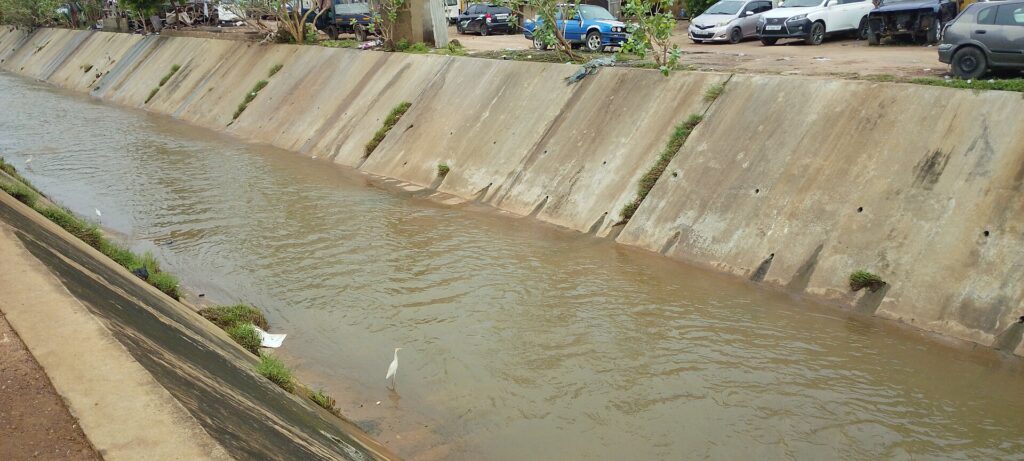
- Only water may go into the storm sewers. The page states that only water may enter the storm sewers. Storm drains, the grates you see along the road, lead to local rivers and wetlands, not to a treatment plant. That is why soaps are a problem.
- No soaps or detergents, including biodegradable ones. The City says even biodegradable soap is not allowed in the storm sewer system.
- Washing on the street has extra limits. The page says no soap or other products are allowed, and the vehicle cannot be overly dirty.
- The City suggests using a car wash. It recommends a commercial car wash as the better option.
- There is a penalty. The page lists a fine of $3,000 for washing a car with soap on the street.
- Other bylaws apply to your property. The Stormwater Bylaw works with the Lot Grading Bylaw and the Community Standards Bylaw to ensure appropriate water use and drainage around your property.
The page does not describe driveway washing as a separate category, so do not assume a driveway is automatically exempt. Where your wash water goes is what counts. If soapy water runs off the driveway into the street and the storm drain, it is the same as washing on the street.
We have kept to what the page says and have not added to it. If you need a firm answer about a specific situation, contact the City through 311, which is the City’s general information line.
Why runoff matters
It is easy to think a bit of soapy water is harmless. The reason the City cares is where it goes.
Storm drains are not sewers
In many places there are two systems. The sanitary sewer takes water from inside homes to a treatment plant. The storm sewer takes rain and melting snow from streets directly to local waterways. Water that goes down a storm drain is generally not treated first, so whatever is in it ends up in the river.
What is in car-wash water
The wash water from a car carries more than soap.
- Detergents and soaps, which can harm fish and other aquatic life.
- Oil, grease and fuel residue from the underside of the car.
- Brake dust and metal particles.
- Road salt, sand and grit.
- Wheel cleaners and other chemicals.
Individually, one car wash is small. But it adds up when many people do it, which is why the rule exists.
Lawn and gravel
Washing on grass or gravel lets some water soak in instead of running to the street. This is often suggested as a way to keep suds out of the storm drain. Be careful, though. Soap and chemicals can still affect lawns and soil, and the City’s rules still apply to anything that reaches the storm system. If you are unsure, plain water is the safest choice.
Practical options at home
If you want to wash at home and stay on the right side of the rules, here are some sensible approaches.
- Use plain water only. A hose, a soft mitt and good technique can remove light dirt without soap. It will not do as much for heavy grime or road film, but it is allowed.
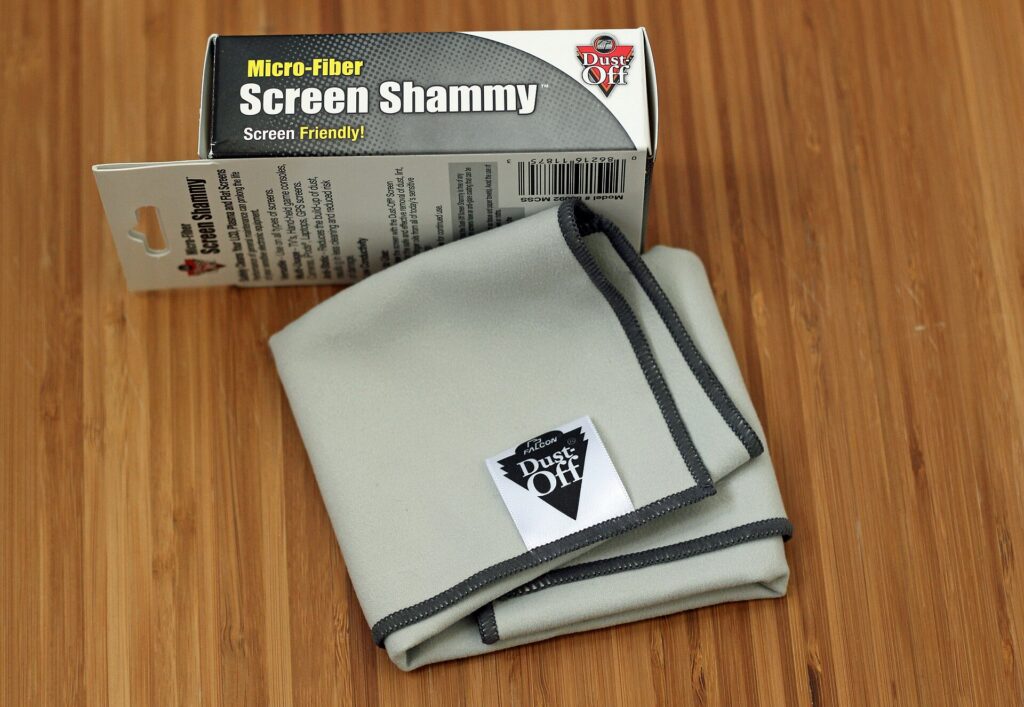
- Rinse more, rub less. A good rinse floats off loose dirt. Then use a soft microfibre or wash mitt wet with plain water.
- Try a waterless wash product. Waterless wash and spray detailers are wiped off with microfibre cloths, so there is almost no runoff. They work best on light dust, not heavy mud.
- Choose a car wash that handles its own water. Commercial car washes send their wastewater to the sanitary system, not to the storm drain.
- Work on a surface that absorbs. If you must use a product, doing it where water cannot run to the street is one way to reduce the problem, but check the City’s rules first.
- Do the interior at home. Vacuuming and wiping produce no wastewater at all. Many people do the inside themselves and have the outside washed elsewhere.
In winter
In winter, home washing is even harder. Water freezes, hoses crack and wet surfaces become ice. We cover cold-weather advice in our winter car care checklist and our post on winter auto detailing tips.
Easier options
If all that sounds like a lot of effort for a wash, you are not alone. There are simpler routes.
Drive-through car wash
Quick, cheap and widely available. An undercarriage spray is useful in winter. The trade-off is that automatic brushes can leave fine scratches on paint. Touch-free washes are gentler, although they clean less thoroughly.
Self-serve bays
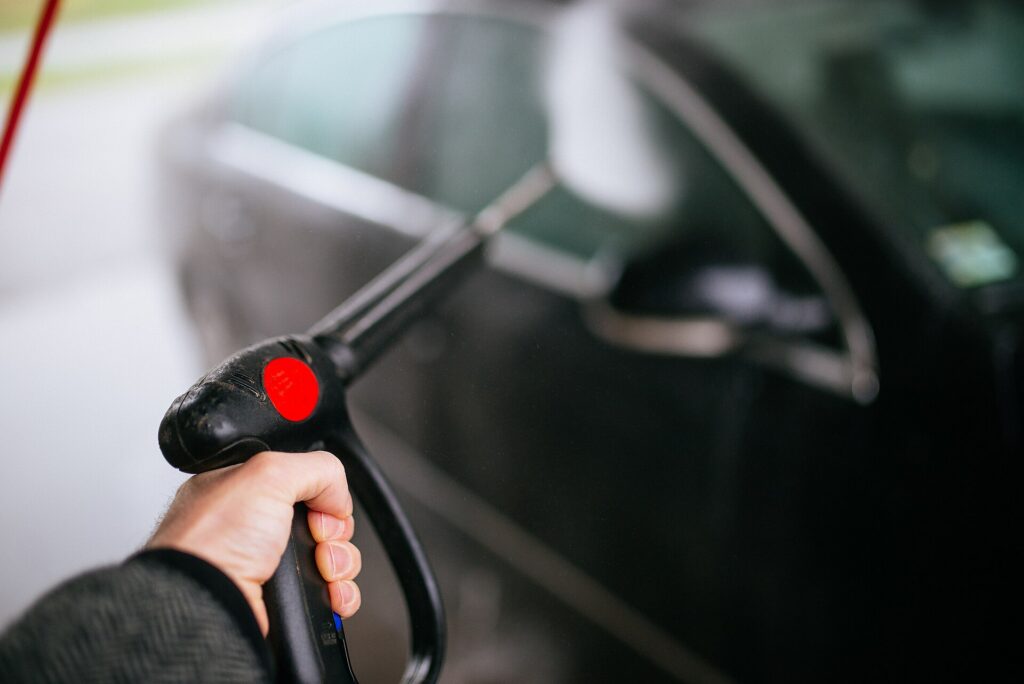
You use a pressure wand in a bay. The water goes to the car wash’s drainage system. These are good for oversized vehicles or mud. Bring your own mitt and avoid using the foaming brush on paint, since it can hold grit from previous cars.
Hand wash services
A hand wash business or a detailer does the work by hand, with proper technique.
Mobile detailing
A mobile service comes to your home or workplace. A good one carries its own water and equipment and manages wastewater. We explain what that looks like below.
When mobile detailing makes sense
There are some situations where having someone come to you is simply the better choice.
- You do not have a suitable place to wash. Apartment parking, shared lots and narrow driveways make home washing awkward.
- You want to avoid runoff concerns. A professional who is set up for it takes the question off your plate.
- You are busy. A detail takes hours. If you would rather spend the day elsewhere, it is a fair trade.
- You want the inside done too. Interiors need extraction and shampoo that most people do not have at home.
- The weather is awkward. A mobile detailer can often work around conditions you cannot.
- You want a thorough job once. A full detail resets the car, and you can maintain it with simple routines.
Natu Auto Detailing is a mobile service. We come to your home or workplace in Calgary and nearby communities. Our packages are Silver at $160, Gold at $250 and Platinum at $330, and you can see what each includes on our pricing page. Details on how we work are on our mobile car wash page.
Questions to ask a mobile service about water
If you are going to hire a mobile service, it is reasonable to ask how they handle wastewater. Here are some questions.
- Do you bring your own water, or use mine?
- How do you prevent soapy water from reaching storm drains?
- Do you use waterless or low-water methods where appropriate?
- What do you do on days when conditions are not suitable?
- How do you handle the interior, where shampooing is involved?
A professional should have clear answers. If you are curious about ours, ask when you call (403) 903-8377.
A simple low-water routine for light dirt
If your car is only lightly dusty and you want to keep it clean at home without much water, this routine works well.
- Check the weather. Do it on a mild, calm day, out of direct sun.
- Rinse with plain water only to float off loose dust. Keep the flow gentle.
- Use a waterless wash or quick detailer on one panel at a time, following the label.
- Wipe with a clean, folded microfibre towel, lifting dirt off in one direction. Flip the towel to a clean side often.
- Buff with a second, dry towel.
- Clean the glass last with glass cleaner and a separate cloth.
- Wash the towels afterward, without fabric softener, which clogs the fibres.
This method is not for a car caked in mud or road salt. Heavy grit needs lots of water to float it off, and dragging it with a cloth will scratch. In that case, a car wash is the safer choice.
What about the wheels and the engine area?
Wheels collect brake dust, oil and road film, and they are the part of a car where people most often reach for strong chemicals. If you clean wheels at home, think about where the rinse water goes. Brake dust and wheel cleaner are exactly the sort of thing the storm system is not meant to receive. A self-serve bay or a car wash that captures its water is a better place for wheel cleaning than your driveway.
The same goes for the engine area. Degreasers and oily water should never run to the street. This is one of the jobs we are happy to take on, and our Platinum package includes an engine area clean.
Neighbours, complaints and common sense
Beyond the formal rules, a few courtesy points keep things simple.
- Do not let suds run down the street. It is visible, and neighbours notice.
- Avoid washing when it is very windy or hot, since water and chemicals spread.
- Keep chemicals off lawns and gardens unless you know they are safe.
- Do not wash near a storm drain. Even plain water is fine, but a drain filled with oily runoff is not.
- Be mindful of water use in dry spells. Calgary sometimes has watering restrictions or conservation requests. Check the City’s current notices.
Frequently asked questions
Is it illegal to wash your car in your driveway in Calgary?
The City’s page says only water may enter the storm sewers, and soap is not allowed, even biodegradable soap. If your soapy water reaches the storm drain, you could be in breach. Check the City’s page for the current wording.
Can I use biodegradable soap?
According to the City, biodegradable soap is also not allowed in the storm sewer system.
What is the fine?
The City’s page lists a fine of $3,000 for washing a car with soap on the street. Penalties for other situations may differ, so check the source.
Can I wash my car on the grass?
It may reduce runoff to the street, but the City’s rules still apply to anything reaching the storm system, and soaps can affect lawns. Plain water is the safest choice.
Are waterless car washes allowed?
Waterless products produce almost no runoff and are wiped off with cloths. They are a practical choice for light dirt.
What about a commercial car wash?
Commercial car washes send wastewater to the sanitary system, which is why the City suggests them.
Final thoughts
You can wash a car at home in Calgary, but the soap is what matters. Plain water is fine. Soap in the storm drain is not. If you want a thorough clean without worrying about it, a car wash or a mobile service takes care of the problem.
Read the City’s page directly: Bylaws related to residential car washing. And if you want to book a mobile service, call Natu Auto Detailing at (403) 903-8377.
Sources: City of Calgary, “Bylaws related to residential car washing”, calgary.ca/bylaws/sewers-drainage-faqs.html. Photo credits are shown under each image where required. Images from Wikimedia Commons are used under their open licences.