
Walk into any auto shop and you will find three kinds of paint protection on the shelf: wax, sealant and ceramic coating. They all promise shine and protection. They all say they are the best. And the packaging is full of words that do not help much, such as nano, hybrid and polymer.
This guide strips the marketing away. We explain what each one is, how they differ in look, upkeep and cost, and which one suits which kind of driver. We also look at Calgary weather, since salt, grit and big temperature swings change what matters. We offer detailing services and sell no products, so the aim here is to help you pick, not to push one.
One note before we start. You will see lots of online claims about how many months or years each product lasts. Those numbers vary hugely with the product, the preparation, the weather and how the car is washed. We have left durability ranges out, because we cannot back them up with a trustworthy source. Where durability matters, we describe it in relative terms.
Quick comparison table
| Wax | Paint sealant | Ceramic coating | |
|---|---|---|---|
| What it is | Natural or blended wax layer | Synthetic polymer layer | Liquid that cures into a hard, thin layer |
| Look | Warm, deep gloss | Sharp, glassy shine | Strong gloss and slickness |
| Durability | Shortest of the three | Generally longer than wax | Generally the longest of the three |
| Cost | Lowest | Moderate | Highest |
| Application | Easy, often DIY | Easy to moderate | Needs careful prep, often professional |
| Upkeep | Reapply often | Reapply less often | Maintain with gentle washing |
| Best for | Budget, enthusiasts, older cars | Daily drivers wanting low effort | Cars you keep long term |
The rest of this post explains each column.
Wax
Wax is the oldest form of paint protection and still one of the most popular.
What it is
Car wax is usually based on carnauba, a natural wax from a Brazilian palm, or a blend of natural and synthetic waxes. It comes as a paste, liquid or spray. You spread a thin layer on clean paint, let it haze and buff it off.
What it does
- Adds gloss. Wax gives paint a deep, warm look, which many people like on classic and dark cars.
- Makes water bead. Rain and rinse water roll off instead of sitting.
- Makes the paint slick. Dirt has less to grip, which helps the next wash.
- Adds a sacrificial layer. The wax wears instead of the paint.
The downsides
- It does not last as long as the other two. Heat, detergents and weather break it down.
- It needs reapplying often. A few times a year is common.
- It attracts less protection from chemicals. It is a softer layer.
- Application takes elbow grease. Buffing off wax by hand is real work.
Who it suits
Wax is a good fit for people who enjoy the process, drive an older car, have a tight budget or want a classic look. It is also a sensible first step if you have never protected your paint.
Our Platinum package, at $330, includes a wax finish along with an ozone treatment, an engine area clean, chrome polish and trim dressing. Silver and Gold finish the exterior with a gloss coat after a hand wash and dry.
Sealant
A paint sealant sits between wax and ceramic coating in both price and performance.
What it is
A sealant is a synthetic product made from polymers. It is applied much like wax: spread thin on clean paint, allowed to cure or haze, then wiped off. It is made to bond to the paint a little more firmly than wax.
What it does
- Gives a sharp, reflective shine. Sealants tend to look glassy and crisp, where wax looks warm.
- Generally lasts longer than wax. The synthetic polymers handle heat and washing better.
- Repels water and dirt. Surfaces become slick and easier to clean.
- Applies easily. Many consumer sealants are simple to use.
The downsides
- It is still a thin layer. It does not stop chips or scratches.
- It still needs reapplying. Less often than wax, but not never.
- The look is different from wax. Some people miss the depth of a good wax.
- Quality varies. Cheap sealants may not perform much better than wax.
Who it suits
Sealants suit daily drivers whose owners want good protection without a lot of work. If you wash the car regularly and want something that holds up through a Calgary winter without being fussy, a sealant is a practical choice.
Ceramic coating
Ceramic coating is the newest of the three, and the one with the most hype.
What it is
A ceramic coating is a liquid, usually based on silica compounds, that bonds to the clear coat and cures into a thin, hard layer. Unlike wax and sealant, which sit on top, a coating forms a more durable bond with the surface.
What it does
- Strong water beading and slickness. Dirt and road film let go more easily.
- Helps protect against chemicals. It adds a barrier against bird droppings, tree sap and road salt, as long as you clean them promptly.
- Adds depth and gloss. Particularly noticeable on dark paint.
- Makes washing easier. This is the most commonly mentioned benefit.
- Can reduce the need for waxing.
The downsides
- Cost. It is the most expensive option, and preparation adds to it.
- It is not armour. A coating does not stop rock chips and does not make paint scratch-proof.
- Preparation matters a great deal. The paint should be washed, decontaminated and often polished first.
- Installation skill matters. Errors can be annoying to fix.
- It is not permanent. It wears over time.
For a full discussion, including who benefits and what to ask an installer, see is ceramic coating worth it in Alberta and our ceramic coating page.
Who it suits
A ceramic coating suits owners who plan to keep their car, park outside, want easier upkeep and are willing to pay for good preparation.
What none of them do
It helps to be clear about this, since all three are sold on promises.
- None of them stops stone chips. If you are worried about gravel, paint protection film is the right tool. See our paint protection page.
- None of them makes the car clean. You still wash it.
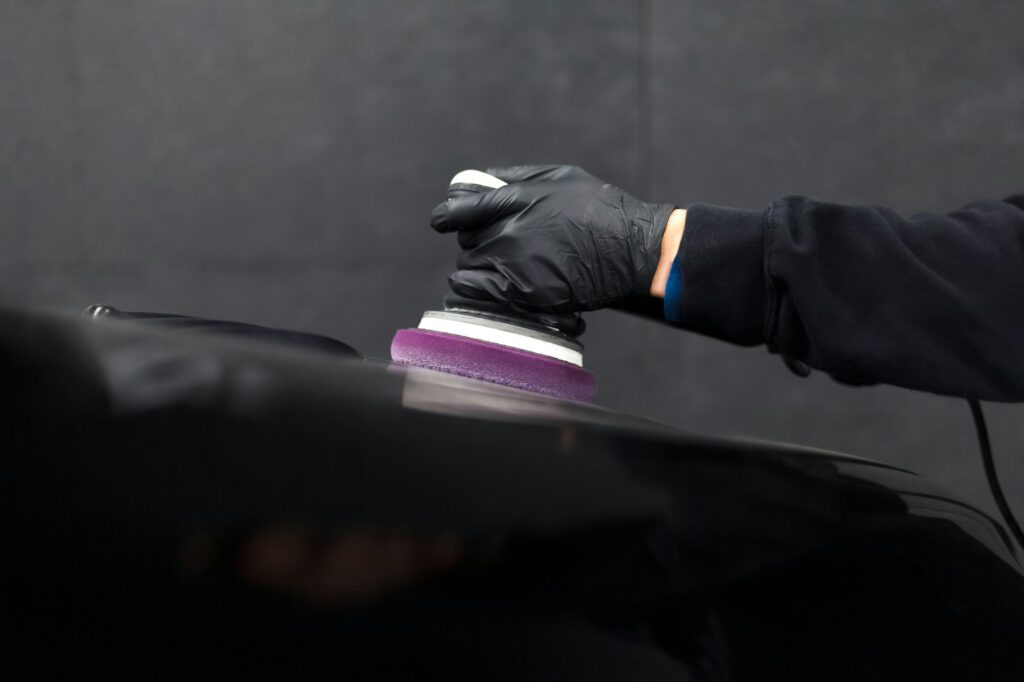
- None of them fixes damaged paint. Swirls, scratches and oxidation need correction first.
- None of them removes the need for good washing habits. Dirty mitts scratch coated and waxed paint alike.
Which to choose for Calgary weather
Calgary’s mix of cold, salt, sand and chinook thaws is hard on a car in a steady way. Here is how each option fits.
If you want the simplest approach
Go with a wax or sealant applied in fall. Wash regularly through winter and reapply in spring. It is affordable and does the job.
If you want a low-effort daily driver
A sealant is the middle path. It holds up reasonably well and does not demand much.
If you plan to keep the car for years and want easier washing
A ceramic coating is worth considering. Be realistic about what it does, and budget for preparation.
If rock chips are your biggest concern
Look at film for the front end, and use wax, sealant or coating for the rest.
If your budget is tight
A thorough wash and a good wax is a perfectly respectable answer. A clean car with simple protection beats a dirty car with expensive protection.
Whatever you choose, apply it on clean paint. Putting protection over dirt seals the dirt in. Our winter car protection service starts with a proper wash for this reason, and you can find a broader seasonal plan in our winter car care checklist.
How to apply wax or sealant at home
If you decide to do it yourself, here is a simple method.
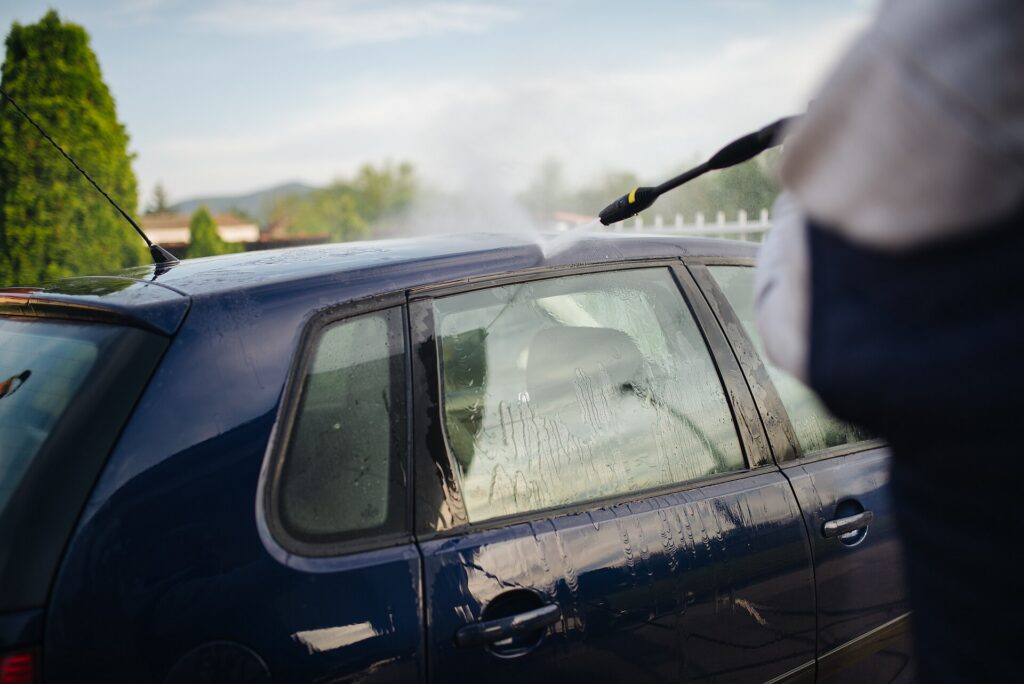
- Wash the car thoroughly with a pH-neutral car shampoo and a clean mitt. Rinse well.
- Dry with clean microfibre towels. Do not let water spots form.
- Check the paint. If it feels rough after washing, a clay bar can remove bonded contamination. That step is optional but helps.
- Work in the shade, on cool paint. Hot surfaces cause streaks.
- Apply a thin layer. More product is not better. A thin, even coat is easier to remove and works better.
- Let it cure as directed. Follow the label for time and temperature.
- Buff off with a clean microfibre. Turn the cloth often.
- Check for missed spots and streaks. Fix them while the product is fresh.
- Avoid washing for the recommended period. Some sealants need time to cure.
A rough rule: do the job when the temperature is mild and the paint is dry. In Calgary that often means a garage or a warm fall afternoon.
Layering and combining
People often ask whether you can mix these products. The short answer is yes, in sensible ways, and no in a few cases.
- Wax over sealant: Works. Some owners like the sealant for protection and a layer of wax on top for warmth in the shine. The wax will wear first.
- Sealant over wax: Does not bond well. Sealants need a clean surface, so strip old wax with a wash or a prep spray first.
- Wax over ceramic coating: Usually unnecessary, and some coating makers advise against it. Follow the installer’s guidance.
- Ceramic coating over anything: It needs bare, clean paint. The surface must be washed, decontaminated and often polished first.
- Film plus a coating or wax: A common pairing. Film goes on the high-impact areas, and the rest of the paint gets a coating, sealant or wax.
The rule of thumb is simple: protection sticks best to clean paint. Whatever you used before has to be removed if you are changing products.
Maintenance by type
Each option comes with its own habits. Knowing them in advance avoids disappointment.
If you choose wax, plan a refresh a few times a year. Watch the water beading. When water stops forming tight beads and starts to sheet, it is time. Wash with a gentle shampoo, since harsh soaps strip wax quickly.
If you choose sealant, treat it much the same, with longer gaps between applications. A quick detailer spray every few washes can boost the layer.
If you choose a ceramic coating, wash gently and regularly. Avoid automatic washes with stiff brushes. Use a pH-neutral shampoo. Follow the installer’s maintenance advice, and ask whether they offer a check-up.
For all three, a few things help.
- Rinse before you wash.
- Use clean mitts and towels.
- Clean bird droppings and tree sap promptly.
- Park in shade or covered space when you can.
Cost: a plain-language view
We are not going to give exact prices for products, since they change often and differ widely by brand. In general terms:
- Wax is the cheapest way to protect paint, whether you buy it yourself or have it done as part of a detail.
- Sealant costs a little more, and you may do it yourself or have it done.
- Ceramic coating costs the most, mainly because of the preparation and skill involved.
For a sense of what our detailing packages cost, see our pricing page. Silver is $160, Gold is $250 and Platinum is $330, with wax included in Platinum.
Frequently asked questions
Which is better: wax, sealant or ceramic coating?
None is best for everyone. Wax is affordable and gives a warm gloss, sealant is a durable middle option, and ceramic coating offers easier upkeep at a higher cost. Choose by budget, how long you will keep the car and how much effort you want to put in.
Can I put wax over a sealant or a coating?
You can wax over a sealant, though it adds little. Over a ceramic coating, it is usually unnecessary and some coatings say to avoid it. Check the product instructions.
Do I need to polish before applying any of them?
You need clean paint. Polishing is not always required, but if the paint has swirls or dullness, polishing first gives a much better result, especially before a coating.
How often should I reapply wax?
It depends on the product, the weather and how often you wash. Many people reapply every few months. If water no longer beads, it is time.
Is a ceramic coating worth the extra cost?
It can be, for the right car and owner. For others, wax or sealant is the better value. Our honest guide on ceramic coating in Alberta goes through the trade-offs.
Does any of this protect against rock chips?
No. Wax, sealant and coating are thin layers. Film is the option made for chips.
Final thoughts
Wax, sealant and ceramic coating are three different answers to the same question. Pick the one that matches your budget, your car and your patience. Clean first, apply thinly, wash gently and be realistic about what protection can do.
If you want help choosing or applying, call Natu Auto Detailing at (403) 903-8377.
Photo credits are shown under each image where required. Images from Wikimedia Commons are used under their open licences.